What is GEO? Complete Guide to Generative Engine Optimization (2026)
Learn how Generative Engine Optimization (GEO) helps modern brands and growing businesses get recommended by AI platforms like ChatGPT, Perplexity, and Google AI Overviews.
What is Generative Engine Optimization (GEO)?

Why is traditional SEO no longer enough in 2026?
For the past twenty years, businesses relied on traditional Search Engine Optimization (SEO) to rank on the first page of Google. However, search behavior has fundamentally changed. Today, up to 68% of searches end without a click, and 37% of users bypass search engines entirely to ask AI assistants directly (Source: Cited First Co. Digital Behavior Study, 2026).
If your marketing strategy only focuses on getting blue links, you are invisible to this rapidly growing segment of AI-first consumers. Large Language Models (LLMs) don't care about keyword stuffing; they care about semantic relevance, structured passages, and entity trust.
"You are no longer competing for a spot on page one. You are competing to be the single definitive answer an AI model provides to a potential customer."
How is GEO different from traditional SEO?
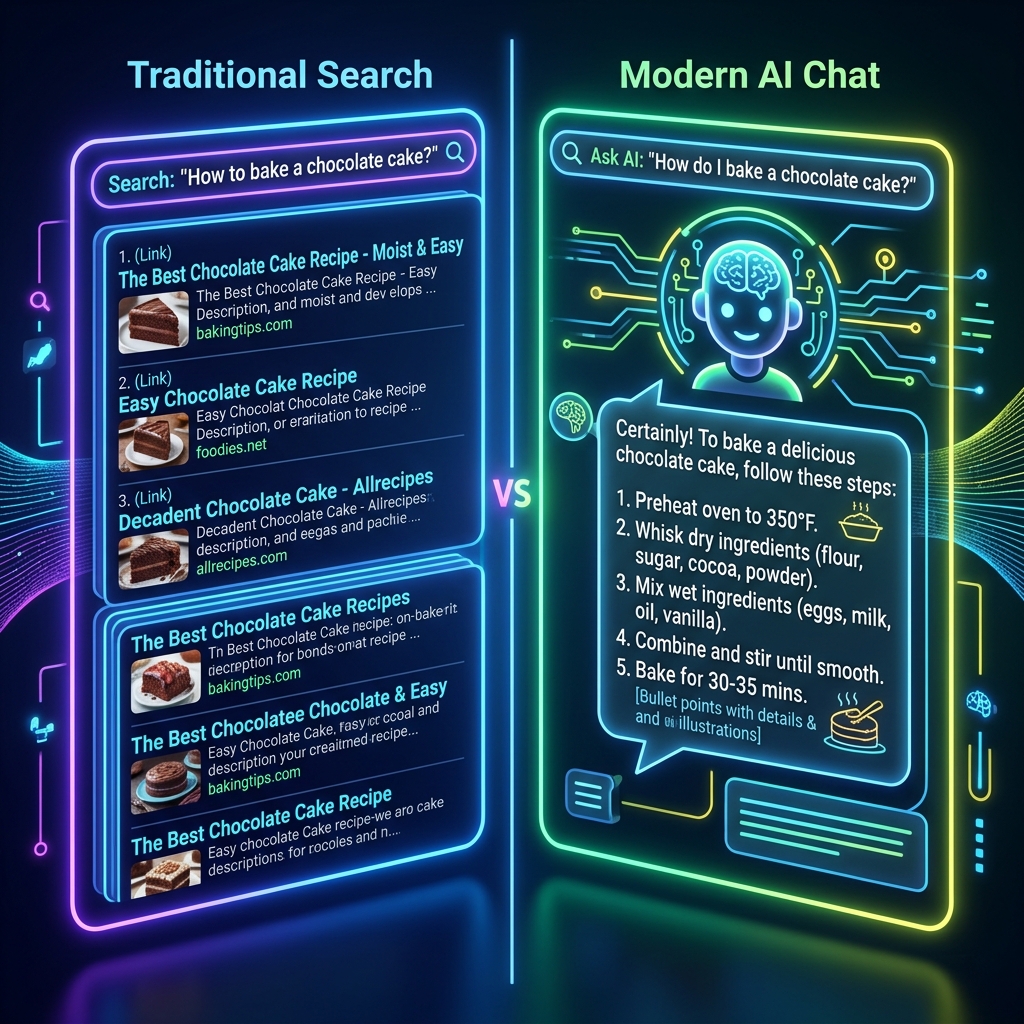
While traditional SEO focuses on ranking web pages through keywords and backlinks to secure blue links, GEO focuses on semantic extraction, knowledge graphs, and creating concise "Answer Blocks."
According to the landmark Princeton GEO Study (KDD 2024), structured citations and empirical statistics provide the largest visibility multiplier in AI answer engines:
| Optimization Method | AI Visibility Boost | Strategic Application |
|---|---|---|
| Cite Authoritative Sources | +40% | Add verified third-party references & outbound links |
| Include Specific Statistics | +37% | Embed quantitative metrics with publication dates |
| Expert Quotations | +30% | Attribute insights to named subject-matter experts |
| Technical & Domain Precision | +18% | Use unambiguous entity definitions and domain terminology |
| -10% | Actively degrades AI citation probability |
SEO vs GEO Comparison
| Metric | Traditional SEO | Generative Engine Optimization (GEO) |
|---|---|---|
| Primary Goal | Rank on Page 1 (Top 10 Blue Links) | Be the Single Cited Source in AI Chat |
| Core Mechanism | Keywords & Backlinks | Semantics, Schema & Entity Trust |
| Content Style | Long-form, highly descriptive | Answer-first, concise "Nuggets" |
| Success Metric | Click-Through Rate (CTR) | AI Citation Share of Voice |
How can modern businesses implement GEO today?
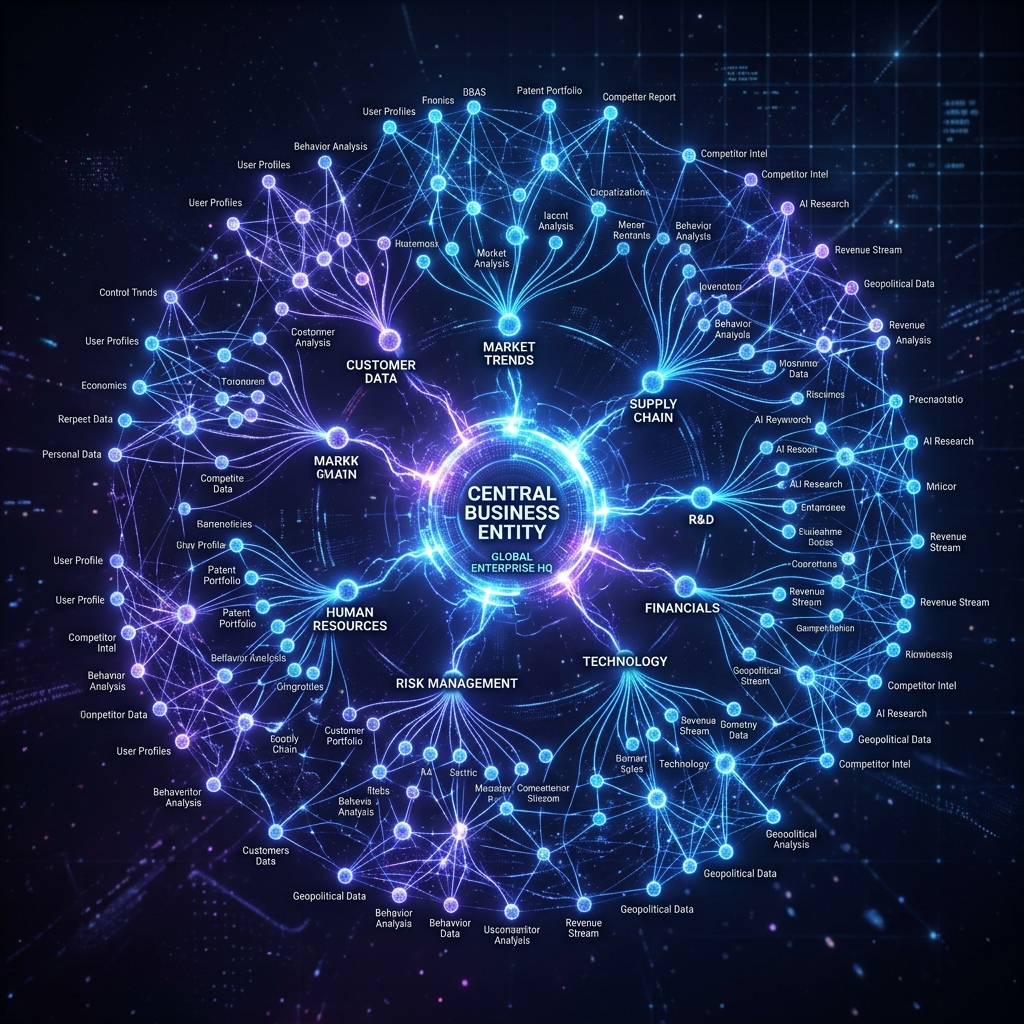
Forward-thinking brands have a massive first-mover advantage in the GEO landscape. While legacy competitors remain trapped retrofitting outdated SEO playbooks, agile companies can dominate LLM recommendations with four core steps:
- Answer-First Content Strategy (BLUF): Structure content using Bottom Line Up Front principles. Put a 40-60 word standalone summary block immediately after question headings.
- Schema Markup Implementation: Deploy JSON-LD structured data (
Organization,Service,FAQPage, andHowTo) to explicitly map your brand entity and capabilities to AI crawlers. - Machine-Readable Context Layer: Deploy an
llms.txtfile and/pricing.mdat your domain root so autonomous buying agents and crawlers can parse your value proposition with zero rendering friction. - Third-Party Entity Triangulation: Build consistent brand authority across trusted third-party repositories like Wikidata, industry review platforms (G2, Capterra), and community discussions.
What is the ROI of investing in AI visibility?
AI platforms typically only cite 1 to 3 sources per answer. This creates a "winner-takes-all" dynamic. If your company is the one cited by ChatGPT for "top enterprise CRM for healthcare" or "best GEO agency for B2B brands," you capture the entire intent of that buyer without them ever visiting a competitor's site.
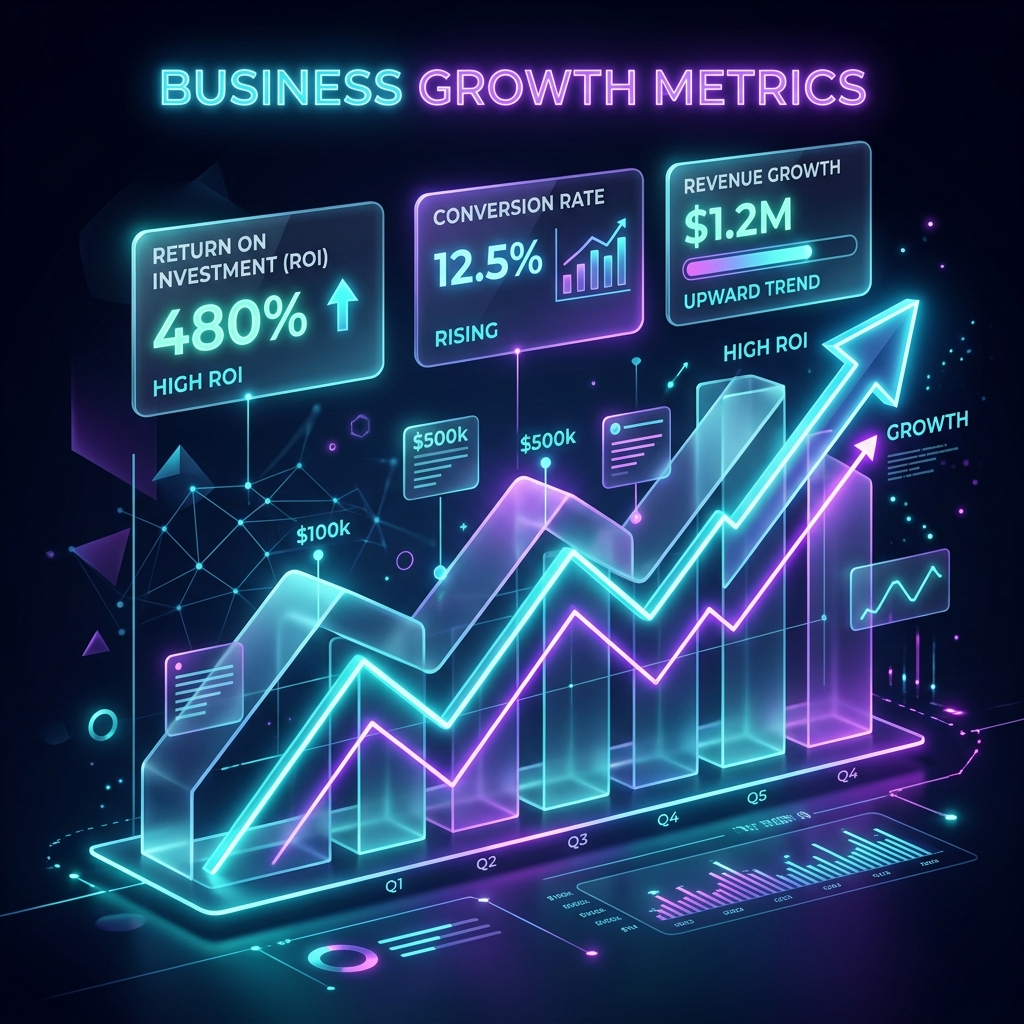
The ROI of GEO lies in establishing authoritative trust. Buyers naturally trust AI recommendations over sponsored search ads. As a result, businesses dominating AI search are seeing conversion rates that are up to 9x higher than traditional search traffic (Source: Cited First Co. Client Performance Data, 2026).
Are you ready to become the definitive answer?
Don't let your competitors steal your AI citations. Our team specializes in transforming modern businesses into authoritative entities that LLMs trust and recommend.
Ready to Dominate AI Search?
Discover exactly how ChatGPT, Perplexity, and Google AI currently view your brand. Get a step-by-step action plan to become the definitive answer.
Claim Your Free AI Visibility Audit →* Limit 1 free AI visibility audit per business.