What is AEO? Answer Engine Optimization Explained
Answer Engine Optimization (AEO) is the future of digital visibility. Learn how to structure your content so AI assistants like ChatGPT and Google AI Overview cite your brand.

Why is AEO critical for modern businesses?
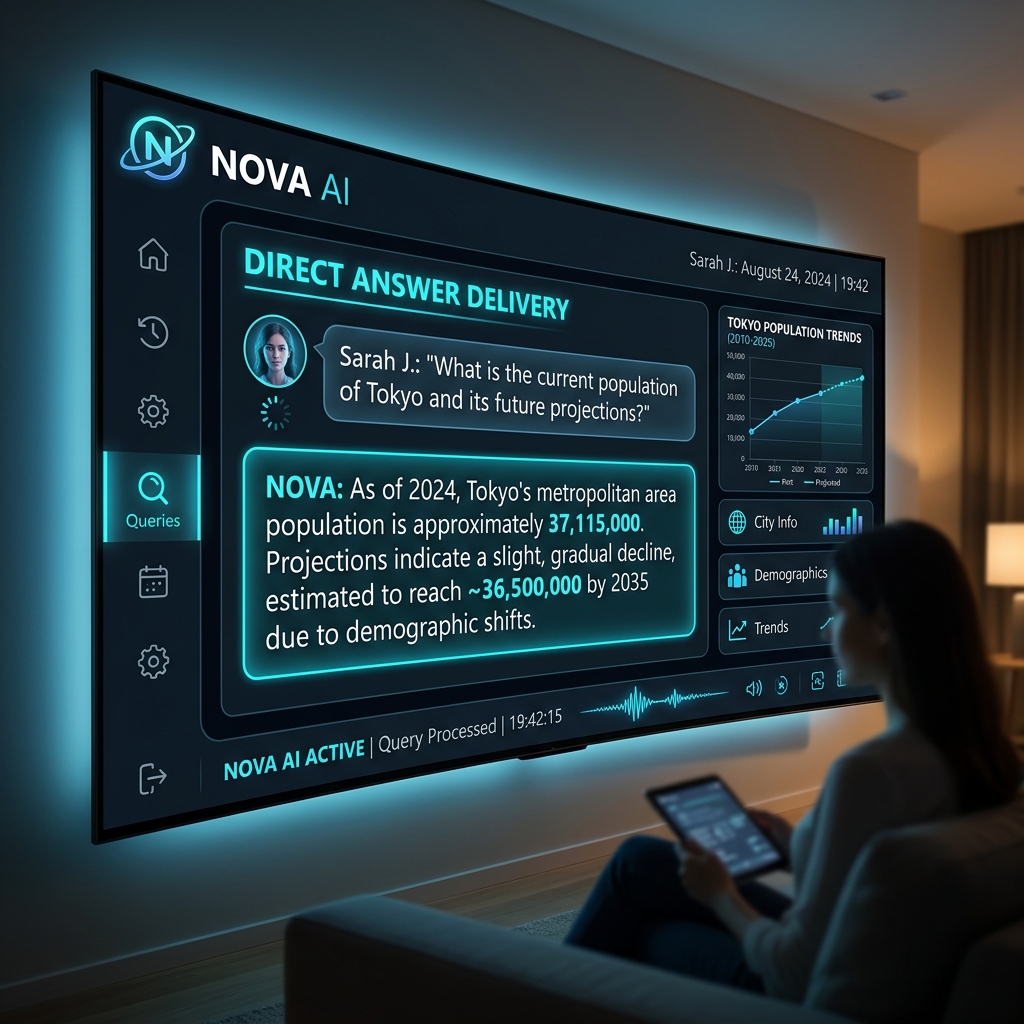
We are witnessing the biggest shift in consumer behavior since the invention of the search engine. According to recent data, up to 37% of users now start their product searches directly in AI platforms rather than traditional search engines (Source: Cited First Co. Industry Analysis, 2026). Users no longer want to click through ten blue links and hunt for information across slow, ad-heavy web pages. Instead, they are turning to Answer Engines to get immediate, synthesized, conversational answers.
If your content is buried in long paragraphs of fluff, an AI model will struggle to extract the facts. AEO ensures that your most valuable information is formatted exactly how Large Language Models (LLMs) want to read it. By optimizing for Answer Engines, you ensure your brand is cited directly in the conversational output, establishing immediate authority and trust with the user.
What is the difference between an Answer Engine and a Search Engine?
To optimize effectively, you must understand the difference in how these two platforms operate:
| Feature | Traditional Search Engine | Answer Engine (AI) |
|---|---|---|
| Output format | A list of URLs (index of pages) | A single, synthesized direct answer |
| User Interaction | Fragmented keyword searching | Natural language conversation |
| Evaluation Method | PageRank, Backlinks, Keyword matching | Semantic proximity, Entity authority, RAG |
| Goal of User | To find a website | To solve a problem without leaving the interface |
How do you optimize content for Answer Engines?
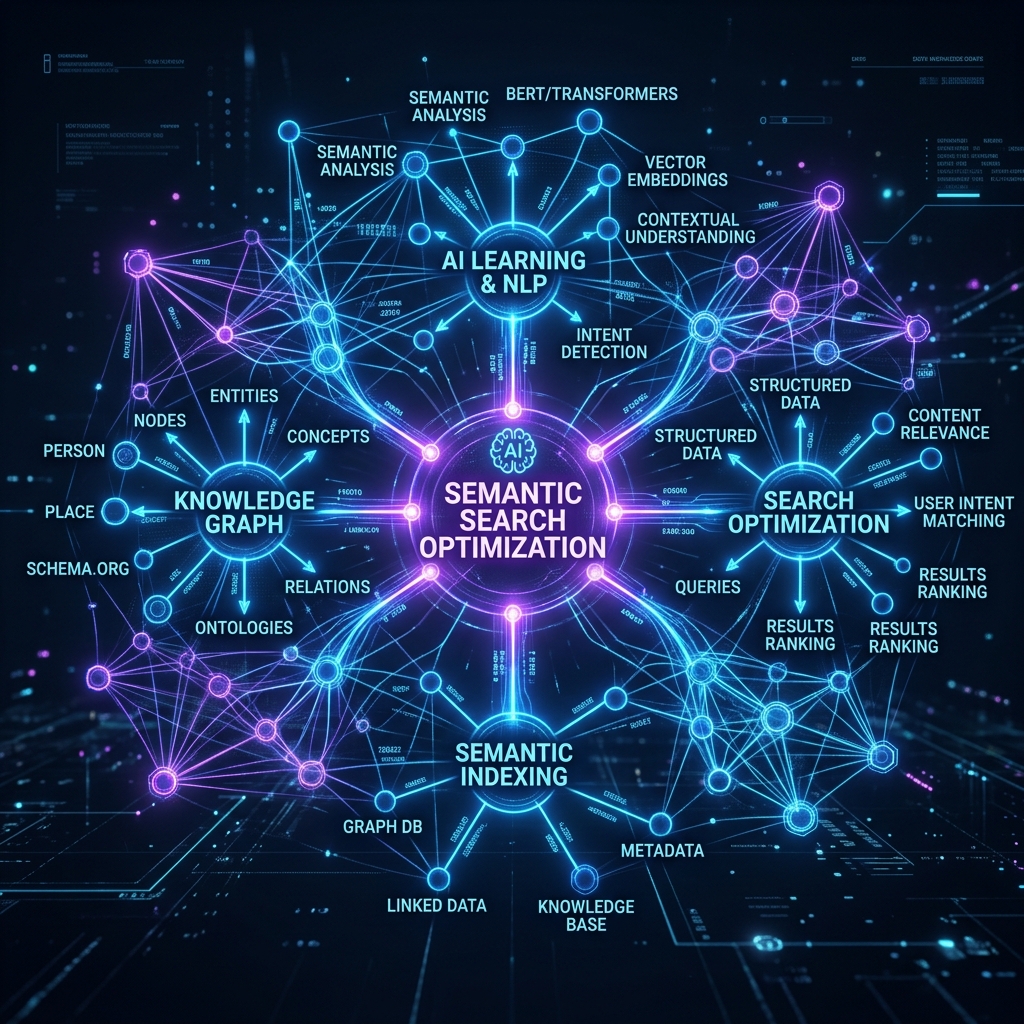
AEO is highly technical and requires a departure from traditional SEO content padding. The core pillars of AEO include:
- Answer-First Architecture: Don't wait until the third paragraph to answer the title of your post. State the concise, definitive answer within the first 50 words.
- High Semantic Density: Use clear, unambiguous language. Avoid metaphors or complex sentence structures that might confuse natural language processors.
- Structured Data: Implement advanced JSON-LD Schema (like
FAQPage,Article, andOrganization) to explicitly categorize your data for AI crawlers. - Entity Building: Ensure your brand is recognized as an "entity" in public knowledge graphs like Wikidata. LLMs trust established entities more than unknown domains.
What is the role of an llms.txt file in AEO?
One of the newest and most exciting developments in AEO is the llms.txt file. Similar to how a robots.txt file tells traditional web crawlers what they can and cannot index, an llms.txt file provides explicit instructions and high-density, markdown-formatted context specifically tailored for AI agents and LLMs.
Implementing an llms.txt file is the most direct way to speak to an AI, providing it with your brand's core facts, preferred citation formats, and API documentation in a format it natively understands.
Ready to Dominate AI Search?
Don't let your competitors steal your AI citations. Our team specializes in transforming modern businesses and brands into authoritative entities that LLMs trust and recommend.
Ready to Dominate AI Search?
Discover exactly how ChatGPT, Perplexity, and Google AI currently view your brand. Get a step-by-step action plan to become the definitive answer.
Claim Your Free AI Visibility Audit →* Limit 1 free AI visibility audit per business.